
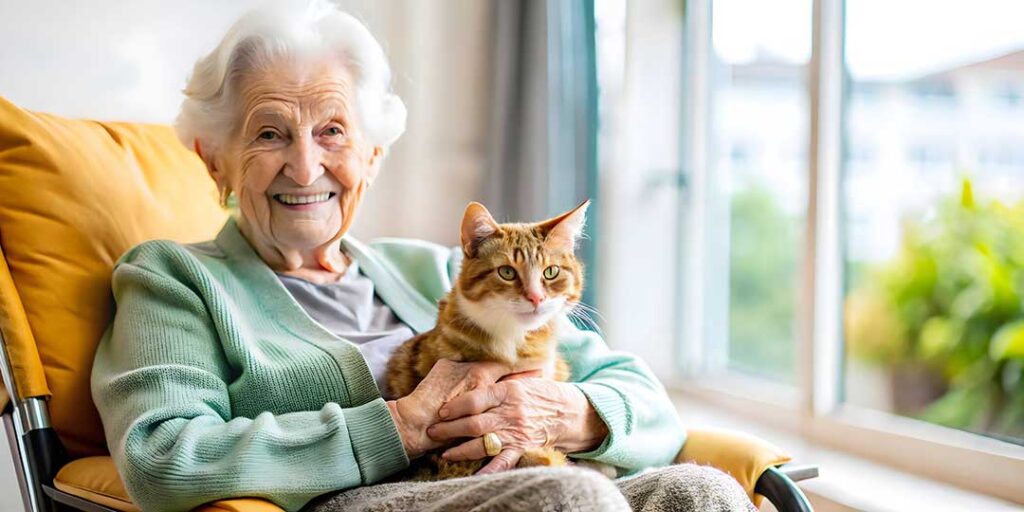
Volunteers can play a meaningful role in assisted living communities by adding companionship, practical support, and connections to the wider community. They do not replace licensed staff or family caregivers. Instead, they often provide time, attention, and activities that make daily life more engaging and less isolating for residents.
What do volunteers do in assisted living communities?
Volunteers may support social activities, visit with residents, assist with approved programs, or contribute special skills. Their responsibilities depend on the community’s policies, training requirements, and the resident’s needs.
Common volunteer activities include:
- Reading aloud, talking with residents, or sharing life stories
- Playing cards, board games, puzzles, or simple group activities
- Helping with arts, crafts, music, gardening, or seasonal programs
- Accompanying residents during supervised walks or social events
- Writing letters, organizing photo projects, or assisting with technology
- Visiting residents who have few regular visitors
- Supporting community gatherings, worship services, or educational programs
- Bringing approved animals for supervised animal-assisted visits
Some volunteers serve on a regular weekly schedule. Others participate in one-time projects, holiday programs, student activities, or intergenerational events.
Why is companionship valuable for older adults?
Regular social contact can help reduce loneliness and create a stronger sense of belonging. A volunteer visit may be especially meaningful for a resident who has limited mobility, does not drive, or has family members who live far away.
Conversation also gives residents opportunities to share memories, preferences, opinions, and personal experiences. A volunteer who listens patiently may help a resident feel recognized as an individual rather than defined by age, diagnosis, or care needs.
The value is often found in consistency. A short visit every Tuesday may give a resident something familiar to anticipate. Over time, volunteers may learn which topics, activities, or routines bring comfort and enjoyment.
Can volunteers provide personal care or medical assistance?
Generally, volunteers should not provide hands-on personal care or clinical services unless they have the required qualifications, authorization, and supervision. Duties such as medication administration, transferring a resident, bathing, toileting, wound care, or making health decisions belong to trained and authorized personnel.
A volunteer may assist with an activity without performing personal care. For example, a volunteer could help set up a craft project, encourage participation, or read instructions aloud. A staff member should handle any task involving lifting, intimate care, medication, or clinical judgment.
This boundary protects residents and volunteers. It also prevents confusion about who is responsible for care decisions.
How are volunteers trained and supervised?
Responsible volunteer programs usually provide orientation before participation begins. Training may cover confidentiality, infection prevention, emergency procedures, communication, resident rights, boundaries, and reporting concerns.
Volunteers may also receive guidance about:
- Speaking respectfully and allowing residents time to respond
- Supporting residents with memory loss or communication difficulties
- Avoiding arguments about personal beliefs, politics, or family matters
- Protecting private information
- Recognizing changes in mood, behavior, or physical condition
- Reporting falls, injuries, suspected abuse, or urgent concerns to staff
Supervision is particularly important when volunteers interact with residents who have dementia, significant mobility limitations, or complex communication needs. Volunteers should know which staff member to approach when a resident appears distressed, confused, unwell, or unsafe.
What should families know about volunteer involvement?
Families can ask how the volunteer program works and what safeguards are in place. Useful questions include:
- Are volunteers screened before serving?
- What training is required?
- Are visits supervised or independent?
- What activities are volunteers permitted to perform?
- How are concerns documented and reported?
- Can a resident decline a visit or activity?
- How are privacy and personal information protected?
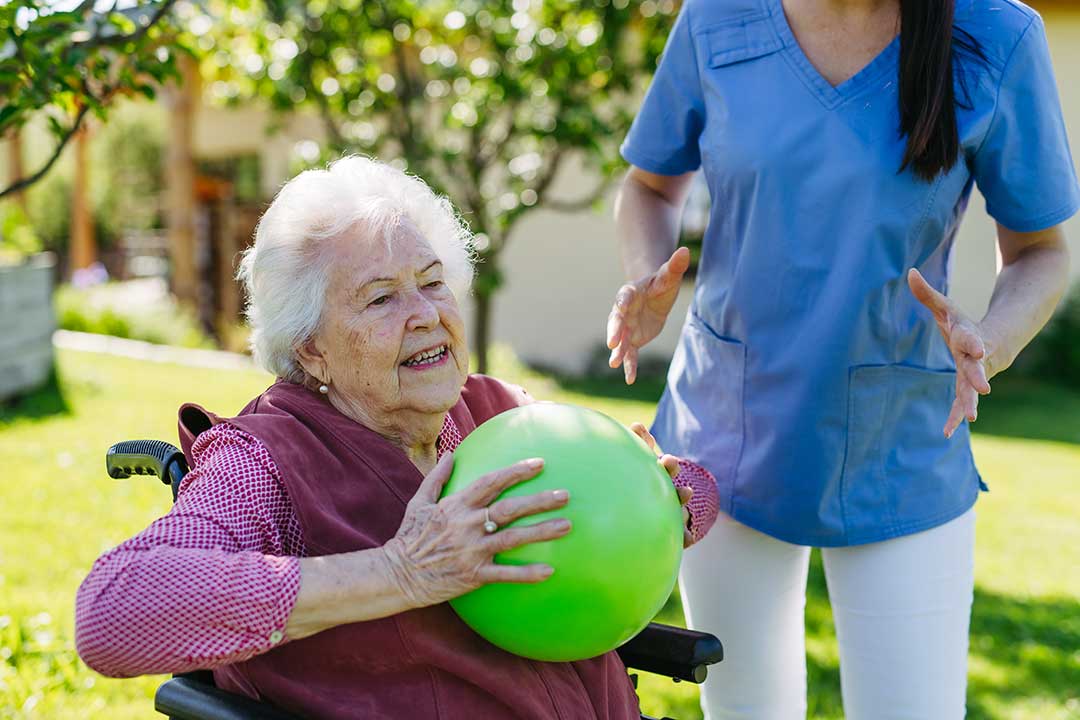
Residents have the right to choose whether to participate. A volunteer visit should never be treated as an obligation. Preferences can change from day to day, particularly when a resident is tired, uncomfortable, grieving, or experiencing cognitive changes.
Families may also share helpful information about a resident’s interests, former hobbies, preferred name, cultural traditions, or topics that cause discomfort. Personal details should be shared through appropriate channels and only as needed to support a respectful relationship.
How can volunteers support residents with memory loss?
Volunteers can be helpful to residents living with Alzheimer’s disease or another form of dementia, but the approach must be adapted to the resident’s abilities and mood. Familiar, low-pressure activities are often more successful than complicated tasks.
Helpful approaches may include:
- Looking through familiar photographs
- Listening to music from the resident’s younger years
- Folding towels, sorting safe objects, or completing simple crafts
- Taking part in brief conversations about familiar experiences
- Offering one choice at a time rather than many options
- Remaining calm when a resident repeats a question or story
Volunteers should not test memory, correct every mistake, or insist that a resident remember a person or event. If a resident becomes agitated, the volunteer should pause and seek staff guidance.
What are the benefits for the volunteers themselves?
Volunteer service can create meaningful relationships across generations and provide a clearer understanding of aging, disability, and caregiving. Students may gain communication and responsibility skills. Retired adults may find a structured way to share knowledge and remain connected to the community.
Volunteers may also discover that residents have valuable expertise in history, trades, parenting, music, farming, education, military service, or local traditions. The relationship is not one-sided. Residents contribute stories, humor, perspective, and encouragement.
For people in Elizabethtown, PA, seasonal conditions can affect volunteer involvement. Winter weather may limit travel for older volunteers, while summer heat can require indoor activities and careful attention to hydration and comfort. Reliable scheduling and flexible alternatives help maintain continuity throughout the year.
What should a volunteer do if a resident raises a concern?
A volunteer should listen without promising secrecy, avoid investigating independently, and report the concern to the appropriate staff member. This includes complaints about care, unexplained injuries, missing belongings, unsafe conditions, abuse, neglect, or serious emotional distress.
Volunteers should also report smaller changes that may matter, such as a resident suddenly withdrawing from activities, appearing unusually confused, or repeatedly saying that something is wrong. Staff can determine whether further assessment is needed.
The volunteer’s role is to notice, listen, and communicate—not to diagnose, confront another person, or manage a crisis alone.
How can communities make volunteer programs more effective?
Strong programs match volunteers with appropriate activities and resident preferences. A resident who enjoys conversation may benefit from a regular visitor, while another may prefer music, gardening, quiet reading, or short walks.
Effective programs also provide clear schedules, dependable supervision, and feedback. Volunteers should know whom to contact, where to document participation when required, and how to respond if plans change.
Most of all, volunteer involvement should remain person-centered. The goal is not simply to fill activity calendars. It is to support dignity, choice, connection, and everyday enjoyment while respecting the professional responsibilities of assisted living staff.
